


ベトナムふしぎ発見記:神話と科学が出会う場所メコン川(牛島由理 助教)Mystery Discovery in Vietnam!–Where Myth Meets Science: The Mekong River by Yuri Ushijima

「九匹の龍が眠る川」と呼ばれるメコン川
The Mekong River, which is traditionally called “the river where nine dragons sleep”
ベトナムに何度も足を運びワークショップを開催している牛島先生に、ベトナムについてインタビュー形式で聞いてみました!
We interviewed Assistant Professor Ushijima, who has visited Vietnam many times and conducted numerous workshops there, to hear her insights and experiences about Vietnam.
牛)= 牛島先生 Ushijima
IO)= International Office
鈴)=鈴木先生 Suzuki
IO) Infection Workshopでは毎回サンプリングで様々な場所に行くと聞いていますが、今回は(第9回)メコン川に行くと聞いています。
We understand that sampling is carried out at different locations during Workshop. For this ninth workshop, we heard that you were planning to visit the Mekong River. Is that correct?
牛)そうなんですよ、わたしは初めてのメコン川になります。
That’s right—it’ll be my first time experiencing the Mekong River.
IO) 実はメコン川について調べたんです。「ベトナム南部のメコンデルタは、「九匹の龍が眠る川」と呼ばれてるみたいですね。洪水も魚の回遊も、すべては“川の精のめぐみ”と語られてきとか。ただ、今異変が起きているみたいです。例えば、上流のダムや海面上昇の影響で川が運ぶはずの肥沃な土砂が激減したり、さらには周辺地域の井戸水の塩分濃度が上がったり、という変化が起きているらしいです。局所的な水質汚染により魚や水生生物への影響も懸念されています。これらの変化を地元の人々は「川の調子が違う」「昔と水の匂いが変わった」と感覚的に捉えているようです。
We actually did some research on the Mekong before coming here. In southern Vietnam, the Mekong Delta is often described as “the river where nine dragons sleep.” Floods, fish migrations—everything has long been explained as gifts from the spirit of the river. But it seems something is changing.
Upstream dams and rising sea levels have dramatically reduced the fertile sediment the river once carried. In some areas, even the salinity of well water is increasing. There are also growing concerns about fish and aquatic life, as localized water pollution begins to take its toll.
What’s striking is how local people describe these changes—not in technical terms, but through their senses. “The river feels different now,” they say. “The water doesn’t smell the way it used to.”
It’s an unease you can hear between the words—a quiet sense that the river’s rhythm is no longer the same.
牛)そうらしいですね。
So it seems, yes.
IO) 今回のWSでは、水から細菌を検出することもやったんですよね。
So you and participating students actually detected bacteria in the water during the workshop?
牛)そうなんですよ。学生と一緒にメコン川のいろんなところから水サンプルを採取し、実験室に持ち帰って、どんな細菌がいるのか細菌学・分子生物学的に調べました。詳しくはこちらへ:医療科学類の情報誌(TJMS)
That’s right. Together with students, we collected water samples from various points along the Mekong River and brought them back to the lab. There, we analyzed what kinds of bacteria were present, using bacteriological and molecular biological methods. For more details, please see the link below.
Tsukuba Journal of Medical Science On-Line Journal(TJMS)
IO) 興味のある方はリンククぜひみてくださいね。
ところで、ここでは、ベトナムふしぎ発見というコラムなので、滞在中に先生は何か不思議なことを発見したりしていたら教えてください。
If you’re interested, please feel free to check out the link.
By the way, since this column is called “Vietnam: Mystery Discovery” did you come across anything particularly curious or unexpected during your stay?
牛) 私はこれまでに2022年~2025年の間に6度訪ねていました。ホーチミン市を中心に、ブンタウ、ホイアン、ダナンに行きました。(写真1)
Between 2022 and 2025, I visited Vietnam six times.
Based mainly in Ho Chi Minh City, I also traveled to Vung Tau, Hoi An, and Da Nang (Photo 1).
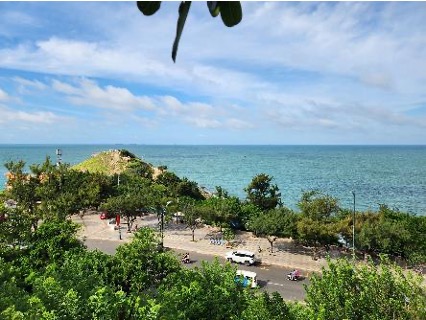
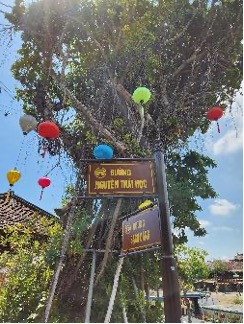
(写真1)Photo 1
牛)まず驚いたのはホーチミンは、バイクで道路が埋め尽くされていることです。(写真2)
What surprised me most at first was seeing the streets of Ho Chi Minh City flooded with motorbikes (Photo 2).
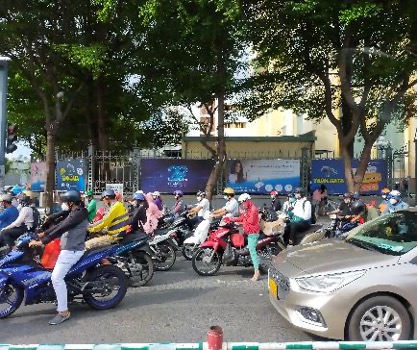
写真2)ホーチミン市市内: 車よりバイクがまだ優勢(年々車も増加)。活気に溢れています。
Photo 2. Ho Chi Minh City.: Motorcycles still outnumber cars, although the number of cars is increasing year by year. The city is bustling with energy.
市場は人ともので埋め尽くされていました。さらに、人や食べ物から発せられる様々なニオイが混じり合って、独特な匂いと主に活気が溢れ出ていました。(写真3)
The markets were packed with people and goods.
Layers of smells—rising from people, food, and everything in between—mixed together, creating a distinctive scent and an overwhelming sense of energy (Photo 3).
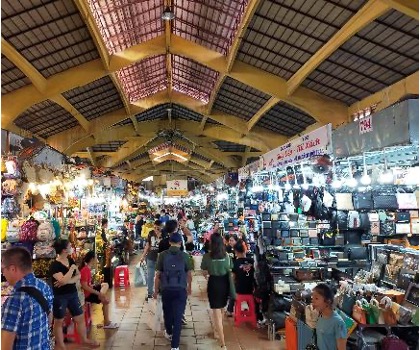
写真3)ベンタイン市場: こちらも人ヒトひと×物モノもの。見るだけで楽しい。
Photo 3. Ben Thanh Market. It’s people, people, people and goods, goods, goods. It’s fun even look around.
そういう昔ながらの景色を横目に見ながら、地下鉄(メトロ)を発見し、とても驚きました。この地下鉄の建設には日本が大きく関わっています。皆さんも見慣れた地下鉄の入り口だと思いませんか?(写真4)
Against the backdrop of these time-honored scenes, I was genuinely surprised to come across a metro station. Japan has been deeply involved in the construction of this metro system.
Doesn’t the entrance look surprisingly familiar—almost like one you might see back home? (Photo 4)
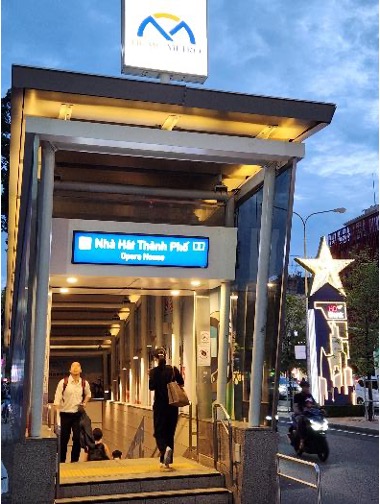
写真4)地下鉄: 2024年12月開業!着工から12年。完成しないと思ってましたがついに完成!
Photo 4. Subway: Opening in December 2024! Construction began twelve years ago. I never thought it would be finished!
IO) 今回ここでもう1人、第9回Workshopでマウスの講義をしていただいた鈴木 颯 先生にお気に入りの写真をいただきました。鈴木先生、なぜこちらを選ばれたのでしょう。写真5)
Here, we’d like to introduce one more contributor. We received a favorite photo from Assistant Professor Hayate Suzuki, who gave a lecture on mice at the 9th workshop. What made you choose this particular photo? Photo 5.
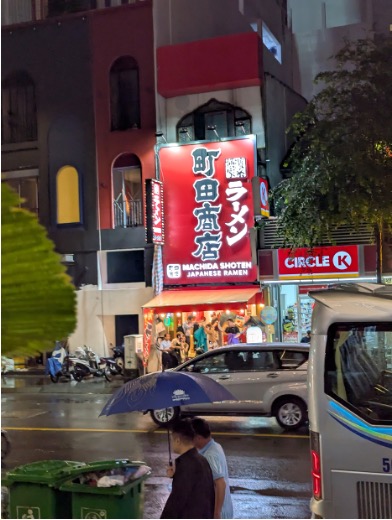
写真5) お家系ラーメン店
Photo 5. A Japanese Iekei-style ramen shop.
鈴)宿泊したホテルの目の前に、日本のラーメン屋さんを見つけて思わず撮った一枚です。(ラーメンも美味しかったです)
I took this photo almost instinctively after spotting a Japanese ramen shop right across from the hotel where I was staying. And yes—the ramen was delicious.
牛)私も頂きました。日本のものと遜色なく美味しかったですよね。まだまだ紹介したいベトナムご飯はありますが、次回にします。
I had it too—and honestly, it was every bit as good as ramen back in Japan.
There’s still plenty of Vietnamese food I’d like to share, but I’ll leave that for the next time.
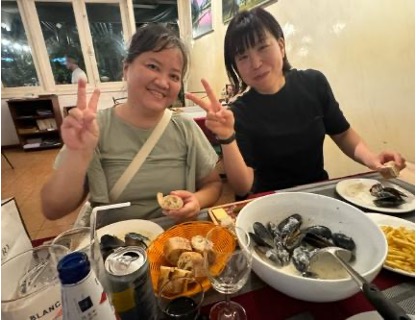
最後に、いつも本当にお世話になっているVan Anhさんを紹介します。頼りになる存在です。
Lastly, I’d like to introduce Ms. Van Anh, who has been such a constant and reliable presence throughout our work. We honestly couldn’t do this without her.
IO) 私も行きたくなりました!
Now I’m tempted to visit myself.
牛島先生、鈴木先生、ありがとうございます。
Thank you very much, Ushijima-sensei and Suzuki-sensei.
TJMS 筑波大学医学群医療科学類
TJMSThe Official Journal of College of Medical Sciences, School of Medicine and Health Sciences.